Science
Nikkei Science Special Feature 'The Great River Underground': Water Flowing Beneath the Earth Is the Hidden Cause Behind Earthquakes and Eruptions
Related terms: 理科 地学 防災 地震 プレート 断層 間隙水圧
Key points (reviewing AI explanation)
It's surprising to hear that 'water causes earthquakes.' The key is that water acts as a lubricant that reduces friction between rocks. When water seeps into a fault, the force holding the rocks together (effective stress) weakens, making the rocks slip against each other more easily and earthquakes more likely to occur. In addition, water carried down by a subducting plate lowers the melting point of magma, producing the material for volcanoes. In other words, water is the 'hidden protagonist that moves the solid Earth.' This is a topic where chemistry (the properties of water), physics (friction and pressure), and earth science all connect in a single phenomenon, testing your overall command of science.
Explanation
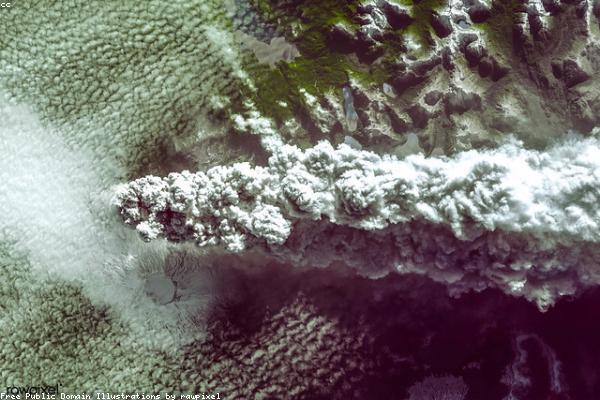
Water flowing deep underground is drawing attention as a trigger for earthquakes and volcanic eruptions. The June 2026 issue of Nikkei Science featured the mechanism by which water seeping out of rock at plate subduction zones circulates underground, making faults more likely to slip and helping magma form. The view is that this invisible underground 'great river' is the hidden culprit behind major disasters on the surface. Tracking the behavior of water is becoming key to disaster prevention and eruption forecasting.
Source: www.nikkei-science.com